0
0


Selecting the Right Holding Tools for Heavy-Duty Operations: Essential Guide
Discover high-performance holding tools for heavy-duty operations. Upgrade your industrial efficiency and shop our collection now!
14/04/2026


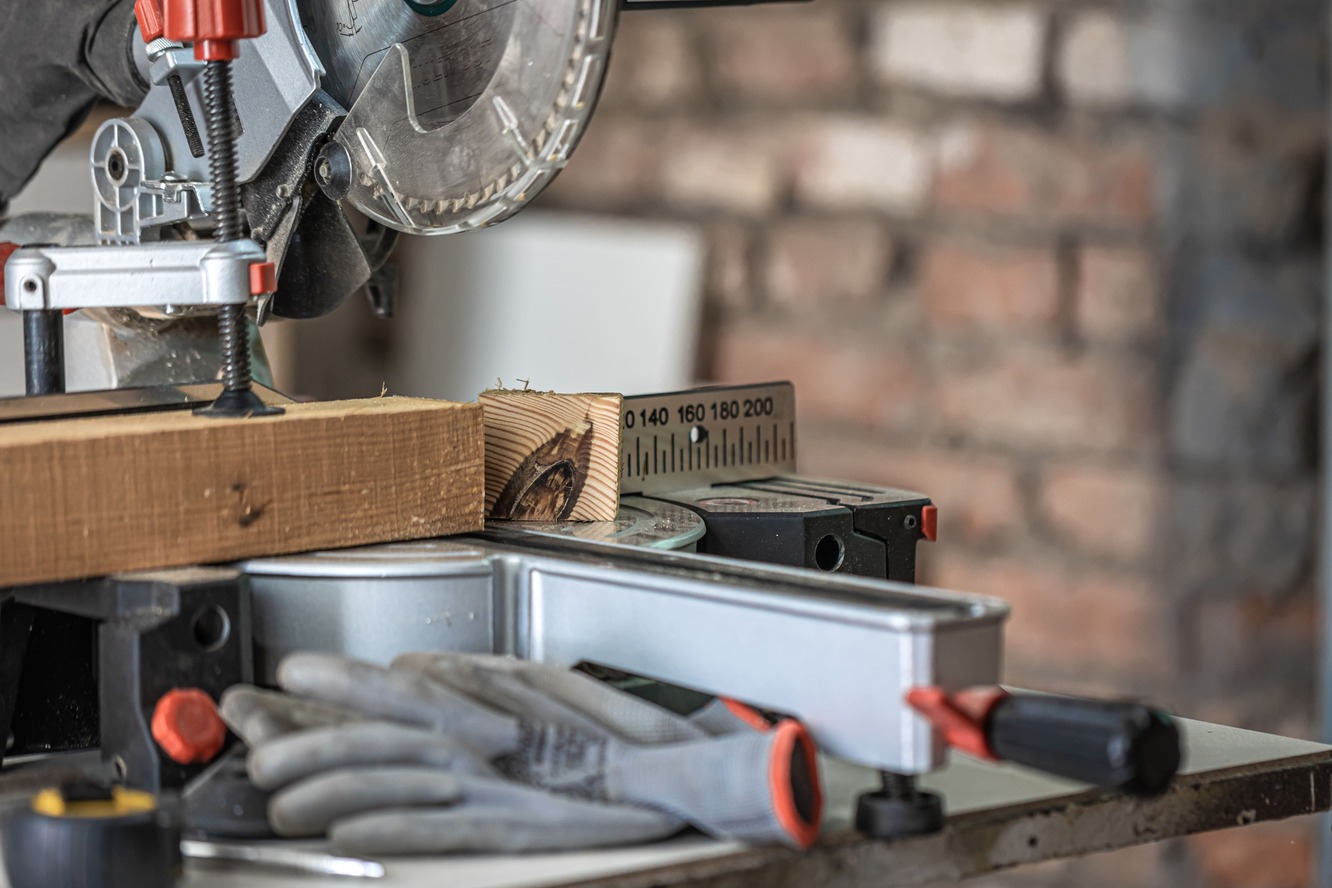
In the high-pressure environment of Singapore’s industrial zones, from Tuas to Jurong, the difference between a profitable shift and a deficit often comes down to minutes. In metalworking, "setup time," the duration between the last good piece of the previous run and the first good piece of the next, is frequently the highest hidden cost.
As production batches become smaller and the demand for customization rises, shops can no longer afford lengthy machine changeovers. Improving setup speed is not merely about working faster; it is about working smarter through organization, modularity, and optimized material handling.
The SMED methodology is the gold standard for reducing downtime. The core philosophy is to convert as many "internal" setup tasks (tasks that can only be done while the machine is stopped) into "external" tasks (tasks performed while the machine is still running).
To begin, audit your current changeover process and divide tasks into two categories:
External Setup: Gathering raw materials, finding specialized tools, and cleaning the workspace.
Internal Setup: Swapping out drill bits, mounting heavy workpieces, and recalibrating sensors.
By pre-kitting tools and staging materials in specialized storage like Bundle Racks before the current job ends, operators can slash internal setup time by up to 50%.
Traditional dedicated fixtures are rigid and time-consuming to align. Modular tooling, however, uses standardized components that can be reconfigured rapidly for different geometries.
Instead of mounting a vise directly to the machine table every time, use a sub-plate with a repeatable grid pattern. This allows the operator to swap fixtures with high repeatability (within microns) without re-dialing the zero point.
Manual tool changes are a significant bottleneck. Systems that use quick-release mechanisms or hydraulic clamping enable "click-and-go" swaps. When these are paired with organized vertical storage solutions like Wolf Racks, the operator spends less time searching for the right attachment and more time in production.
Setup speed isn’t just about the machine; it’s about how quickly you can move heavy metal slabs or finished components safely. In Singapore’s compact shop floors, inefficient movement creates physical bottlenecks.
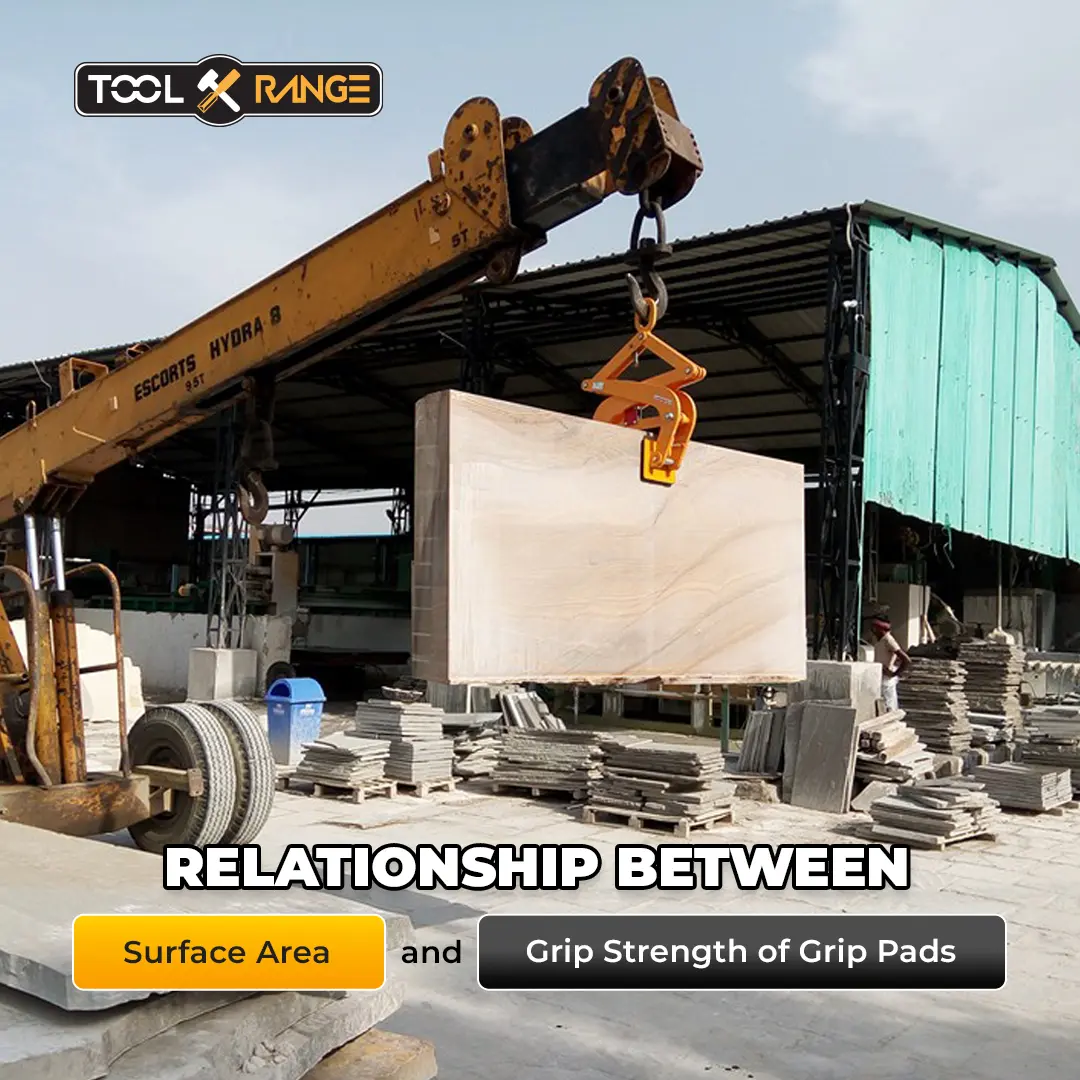
The physical strain of moving heavy materials often slows down a setup as operators wait for a forklift or additional help. Specialized lifting equipment can make this a one-person job.
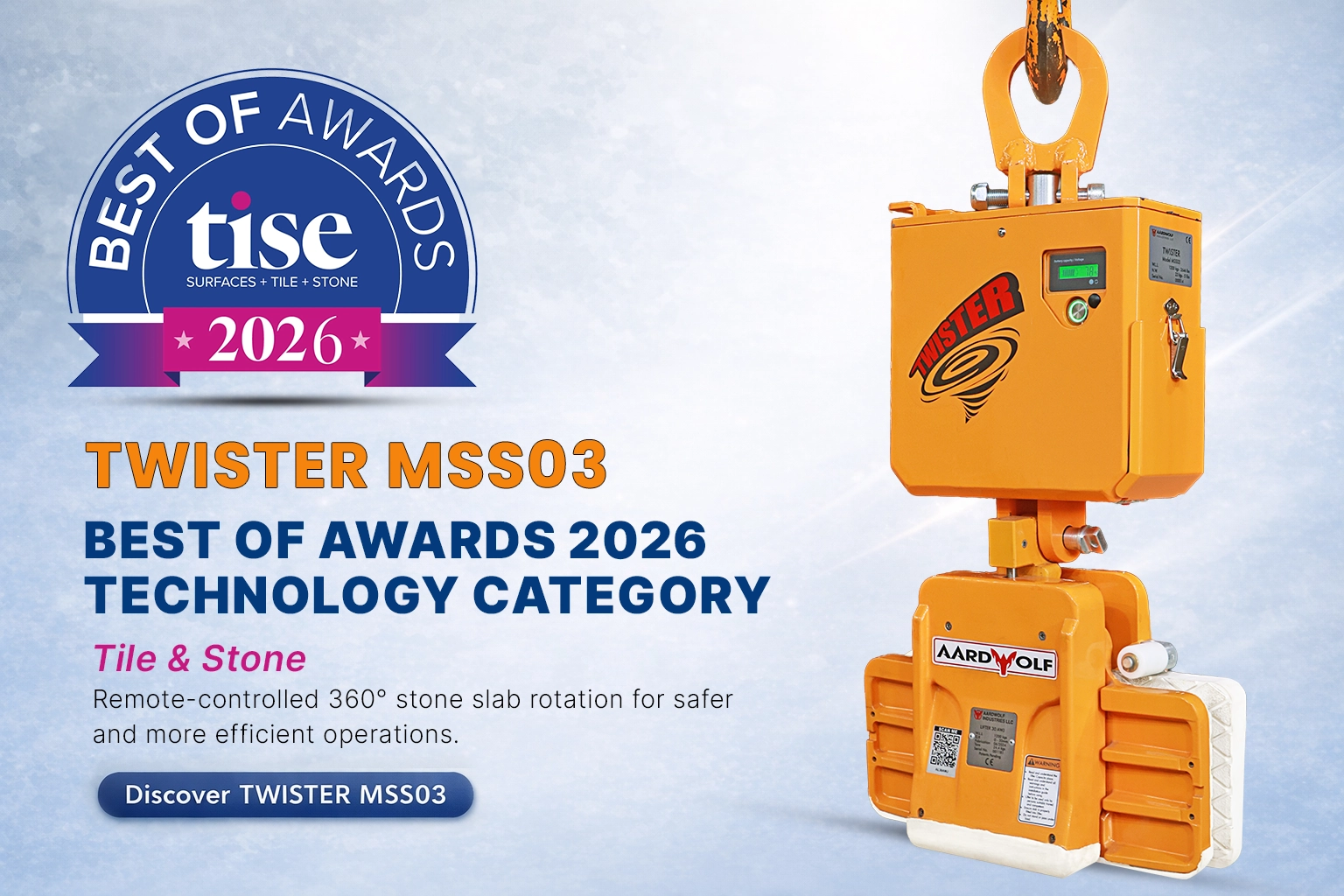
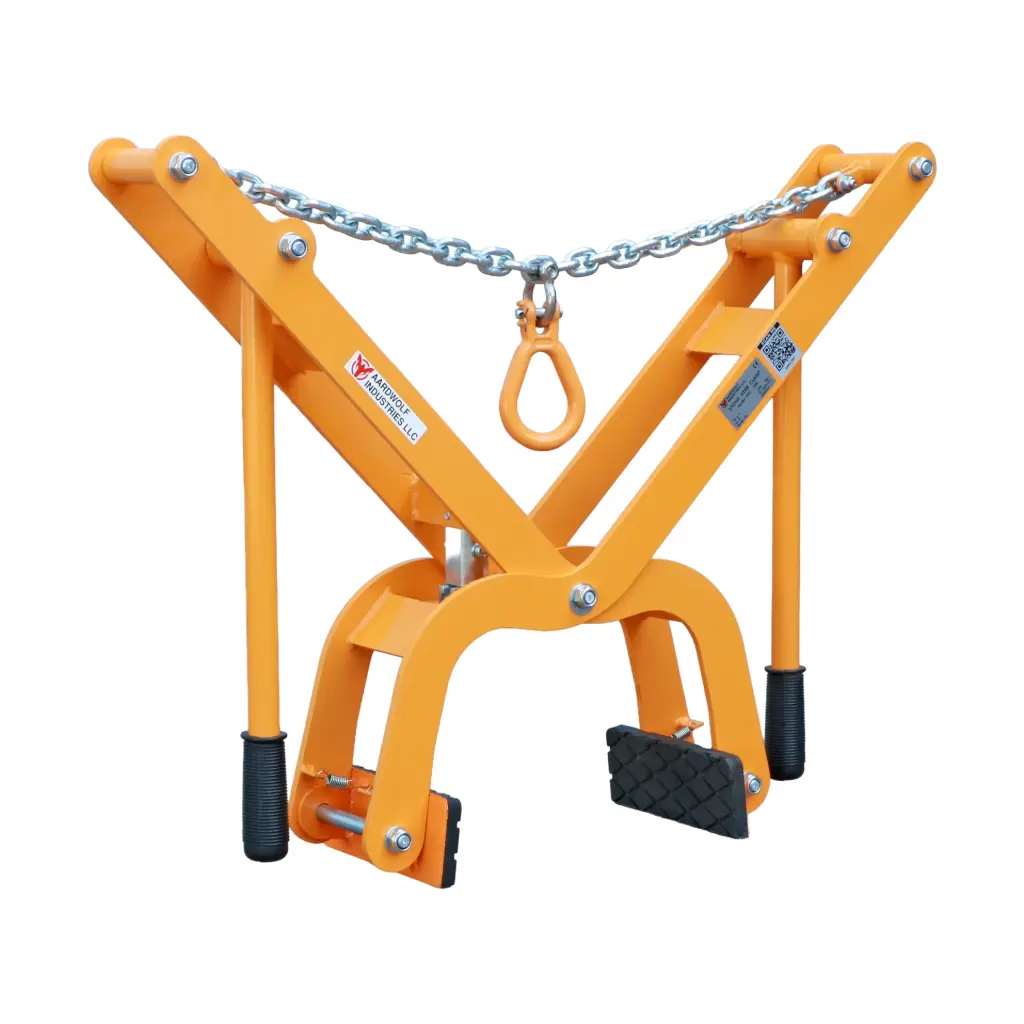
For instance, using a specialized Aardwolf Lifter Manual Unlock Series can drastically speed up the positioning of heavy slabs onto a cutting bed. This tool allows for precise placement without the need for complex manual rigging, directly impacting the transition time between jobs.
A common cause of setup delays is the "missing wrench" syndrome. If an operator has to walk across the shop to find a specific Allen key or a clean rag, the setup is failing.
Every recurring job should have a digital or physical setup sheet. This document should list:
Specific tools required.
Measurement offsets from previous runs.
A step-by-step checklist of the changeover.
Traditional Setup | Modular/SMED Setup | Time Impact |
Manual alignment of the workpiece | Use of pre-aligned stop blocks | -15 mins |
Searching for hand tools | Shadow boards/Pre-kitted carts | -10 mins |
Cleaning machine during downtime | Post-job cleaning protocol | -5 mins |
Total Savings | 30+ mins |
Even the best modular tools are useless if the workforce isn't trained to use them correctly. Setup reduction is a cultural shift.
Video Audits: Record a setup and watch it back with the team. Identify "wasted motion", the moments where someone is walking, waiting, or searching.
Shadowing: Have your most efficient operator demonstrate their workflow to others. Often, small "tribal knowledge" tricks, like how a certain jig is tightened, can save minutes across the entire staff.
6. Real-Time Data and Digital Integration
The modern metalworking shop in Singapore is increasingly digital. By using simple shop-floor management software, managers can see exactly how long a setup is taking in real-time. If a setup that usually takes 20 minutes is stretching to an hour, the supervisor can intervene immediately to resolve the bottleneck, whether it’s a broken tool or a material delay.
In the competitive landscape of South East Asian manufacturing, speed is your greatest asset. By shifting toward modular workholding, organizing your shop floor with heavy-duty storage, and utilizing precise lifting equipment, you transform your facility from a traditional "job shop" into a high-speed production engine.
Reducing setup time doesn't just increase capacity; it improves employee morale by removing the frustration of "fighting" with machines, allowing your team to focus on what they do best: creating high-quality metal components.
How do I start reducing setup time if I have a limited budget?
Start with the 5S methodology (Sort, Set in order, Shine, Standardize, Sustain). Simply cleaning and organizing your workspace so that every tool has a "home" can reduce setup time by 10-15% with zero capital investment.
Is modular tooling worth the investment for small batches?
Actually, small batches are where modular tooling shines most. The more frequently you change your setup, the more you save. If you change your machine configuration three times a day, a modular system will likely pay for itself within six months through regained production hours.
Does faster setup speed affect the quality of the parts?
On the contrary, it often improves quality. Standardized setup procedures and modular fixtures provide more repeatability than manual "eyeballing." When you rely on precision-engineered stops and plates, the chance of human error during alignment is significantly reduced.