Selecting the Right Holding Tools for Heavy-Duty Operations
Choosing the right equipment for material handling is not just a matter of convenience; in high-stakes industrial environments, it is a fundamental pillar of operational safety and structural integrity. For workshop managers and safety officers, the challenge lies in understanding that "one size fits all" is a dangerous fallacy when dealing with high-tonnage materials.
Heavy-duty operations, whether in stone masonry, glass manufacturing, or steel fabrication, require a sophisticated understanding of load-bearing dynamics. This article explores the critical factors involved in selecting holding and clamping tools that can withstand the rigors of heavy industrial use while protecting both the workforce and the valuable raw materials they handle.
Understanding the Physics of Load-Bearing Capacities
Before selecting a tool, one must understand the forces at play. In heavy-duty operations, gravity is only one part of the equation. Inertia, friction, and the center of gravity play equally vital roles. When a heavy slab is lifted or clamped, the stress on the hardware is localized at specific contact points.
Standard-grade clamps might suffice for light timber or thin metal sheets, but they often lack the tensile strength required for dense natural stone or thick industrial glass. Choosing hardware with an inadequate load rating leads to "material fatigue," where the metal of the tool itself begins to microscopically deform, eventually leading to catastrophic failure.
The Role of Grip Surface and Material Density
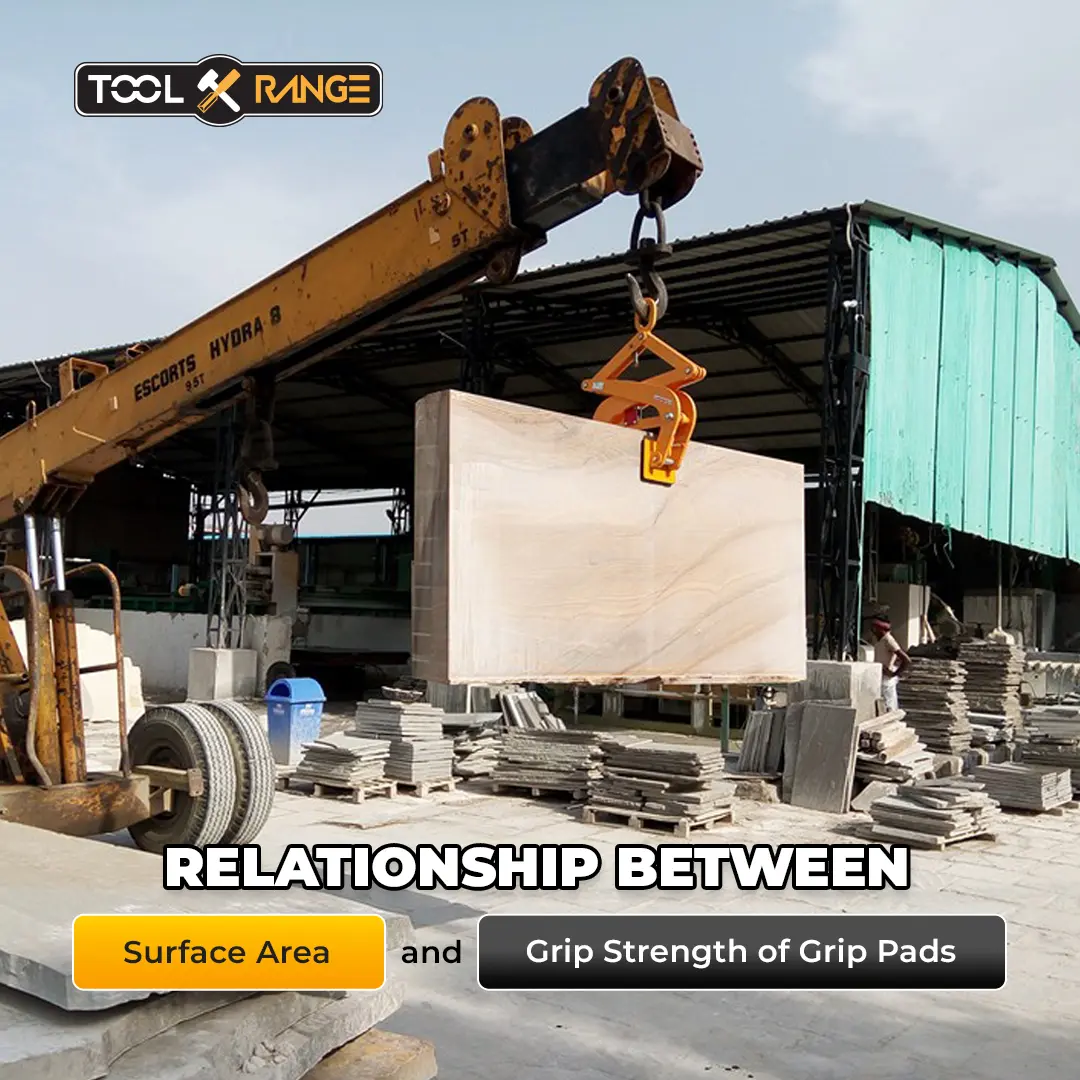
Different materials react differently under pressure. For instance, polished granite has a much lower coefficient of friction than raw concrete. Therefore, a holding tool must not only have the vertical lifting capacity but also the lateral "grip strength" to prevent slippage.
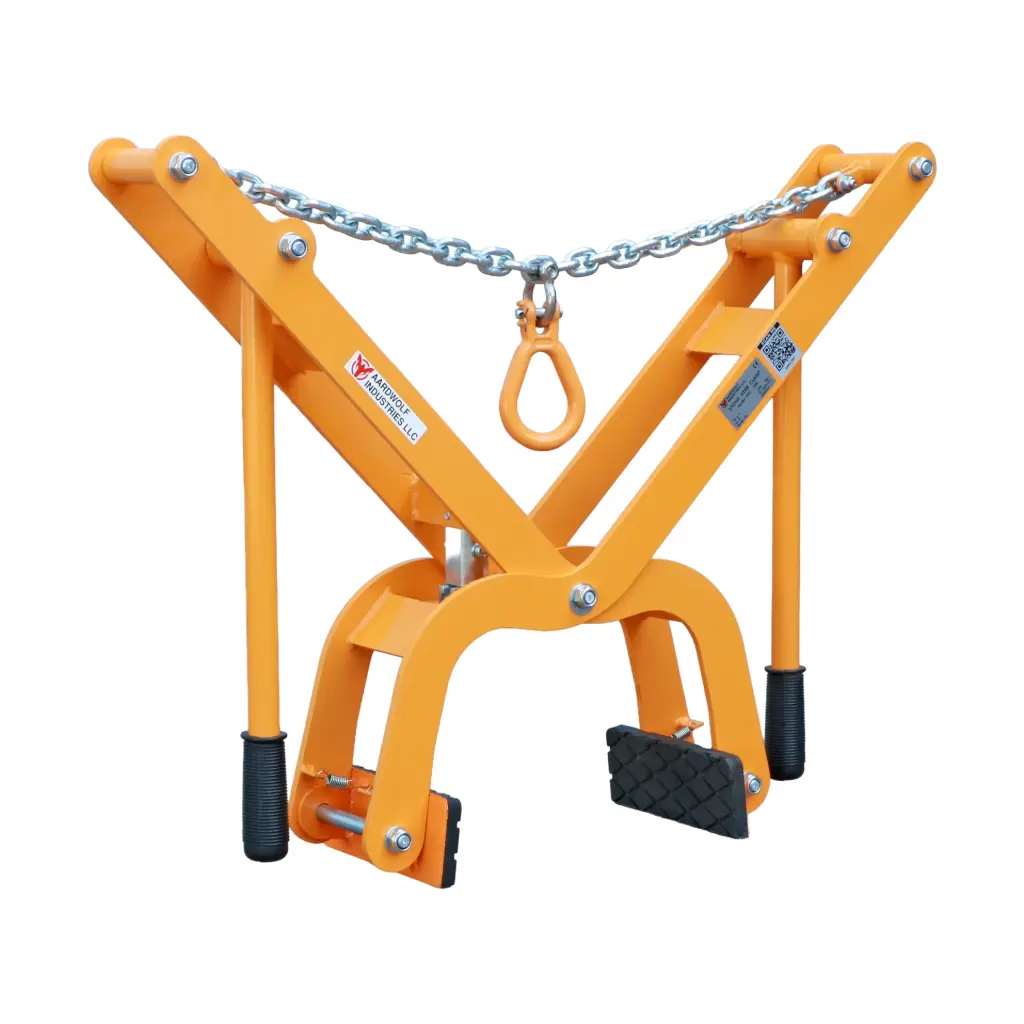
When dealing with wide or awkwardly shaped materials, standard clamps often reach their physical limit, necessitating specialized solutions like the Aardwolf Lifter Wide Jaw Series, which is engineered to distribute pressure more evenly across a broader surface area.
Critical Factors for Selection: A Comparison Guide
When evaluating holding tools for your workshop, consider the following three-tier framework:
1. Static vs. Dynamic Load Ratings
A static load is the weight an object exerts while at rest. A dynamic load includes the additional forces generated by movement, such as the "bounce" of a crane or the vibration of a forklift. Always choose tools rated for at least 25% more than your heaviest static load to account for these dynamic variables.
2. Clamping Depth and Throat Clearance
In heavy-duty operations, the thickness of the material (the "throat") determines the leverage required. If a clamp is forced to its maximum opening, the mechanical advantage is diminished. Ensuring your tool has a comfortable margin of clearance ensures that the clamping force is applied perpendicularly, which is the most stable configuration.
3. Durability of Contact Pads
Non-marking rubber or specialized polymer pads are essential when handling finished surfaces. However, in heavy-duty scenarios, these pads must be reinforced. If the pad compresses too much under a heavy load, the metal of the clamp may contact the stone or glass, causing cracks or deep scratches.
Organizational Integrity: Storing Heavy Raw Materials
Selection doesn't end with the tools used for movement; it extends to how materials are held while in "rest" phases. Storage hardware must be treated with the same scrutiny as lifting hardware.
A failure in a storage rack can be even more devastating than a lifting failure, as it often occurs when the workshop is unmanned or when workers are in close proximity performing other tasks.
Comparison of Heavy-Duty Storage Solutions
For workshops managing high volumes of inventory, the stability of the vertical support is paramount. Utilizing robust Slab Rack Posts allows for a modular yet incredibly stable environment where materials of varying thicknesses can be segregated without risking a "domino effect" collapse.
Engineering Safety into the Workflow
The integrity of heavy raw materials depends on the synergy between the operator and the hardware. Even the highest-grade tool can fail if misused. For instance, over-tightening a clamp can induce internal stresses in a glass slab, leading to spontaneous shattering hours later.
Furthermore, the environment dictates the tool. For workshops with limited floor space or those operating against walls, the choice of racking is restricted. In these specialized layouts, implementing Wolf Racks Single Sided systems provides the necessary structural support for heavy loads while maintaining a clear path for machinery and personnel.
These specialized racks ensure that the weight is biased toward the reinforced side of the structure, preventing tipping.
Essential Checklist for Workshop Managers
Daily Inspection: Check for hairline cracks in the welding of all lifting eyes and clamps.
Weight Verification: Ensure the weight of every slab is clearly marked before any lifting or clamping tool is attached.
Environmental Factors: Account for moisture or oil on the material surface, which drastically reduces the effectiveness of holding tools.
Conclusion
Selecting the right holding tools for heavy-duty operations is a blend of mechanical science and practical workshop management. By prioritizing load-bearing capacities and understanding the specific needs of your material, whether it requires a wider grip or specialized vertical storage, you safeguard both your equipment and your team.
Remember, the cost of a high-grade clamping tool is negligible compared to the expense of damaged raw materials or compromised productivity. Investing in reliable tools is ultimately an investment in operational efficiency, safety, and long-term performance.
FAQ
How often should I replace the pads on my clamping tools?
Pads should be inspected weekly. If you notice any "bottoming out" (where the pad is so compressed it no longer rebounds) or if the surface has become glazed and slippery, they should be replaced immediately to maintain proper friction.
Can I use the same clamps for both stone and glass?
While some high-end clamps are versatile, glass usually requires softer, specialized vacuum-sealed or high-friction polymer pads to prevent point-loading stress, whereas stone often requires more aggressive, textured grips. Always check the manufacturer's material compatibility list.
What is the "Factor of Safety" in holding tools?
Most industrial-grade tools use a 3:1 or 5:1 Factor of Safety. This means a tool rated for 1,000kg has been tested to withstand a breaking force of 3,000kg or 5,000kg. However, you should never exceed the rated Working Load Limit (WLL) printed on the tool.
 0
0