Skip to Content

Why Warehouses Are Switching to Vacuum Tube Lifters for Bags and Sacks

05/06/2026
Warehouse Operations & Safety

Why Warehouses Are Switching to Vacuum Tube Lifters for Bags and Sacks

TR

Tool Range Editorial

Industrial Engineering Experts

May 29, 2026
6 Min Read

For years, manual bag handling has been a normal part of warehouse and factory operations. From cement bags and food ingredients to industrial sacks used in factories and packaging operations, most materials are still handled manually every day, sometimes supported by forklifts for pallet transport.

At first glance, this may not seem like a major operational issue.

After all, a 25 kg bag is usually manageable for a worker to lift. But many warehouses are beginning to realize that the real problem is not whether a load can be lifted once. It is whether the same movement can be repeated hundreds of times per shift without slowing down the workflow.

According to OSHA, repetitive lifting and awkward manual handling are among the leading causes of musculoskeletal disorders in industrial workplaces. In many cases, the issue is not caused by extremely heavy loads, but by repeating the same movement continuously throughout the day.

The Hidden Danger of Repetitive Movements

And this is where many warehouse operations quietly begin to lose efficiency.

At first, the changes are almost invisible. Palletizing becomes slightly slower. Operators spend more time repositioning sacks. Movements near the end of a shift are no longer as smooth as they were in the morning.

Individually, these changes seem minor.

But across hundreds of lifting cycles, they gradually affect handling consistency and overall throughput.

In real warehouse environments, performance rarely drops suddenly. More often, operations slowly lose stability over time.

01 / When Forklifts No Longer Solve the Real Problem

When companies think about warehouse material handling, forklifts are usually the first solution that comes to mind — and for good reason.

Forklifts are highly effective for:

  • pallet transport
  • moving heavy loads
  • warehouse logistics flow

But repetitive handling of bags and industrial sacks is a different type of challenge.

Forklifts are designed to move pallets efficiently from one location to another. They are not optimized for repetitive lifting, positioning, and palletizing of individual bags in confined workspaces.

Operational Bottleneck Analysis

In many warehouses, the bottleneck is no longer transportation. It is repetitive bag handling and repetitive human movement.

This becomes especially noticeable in facilities where operators handle large volumes of sacks during palletizing, depalletizing, or production line feeding.

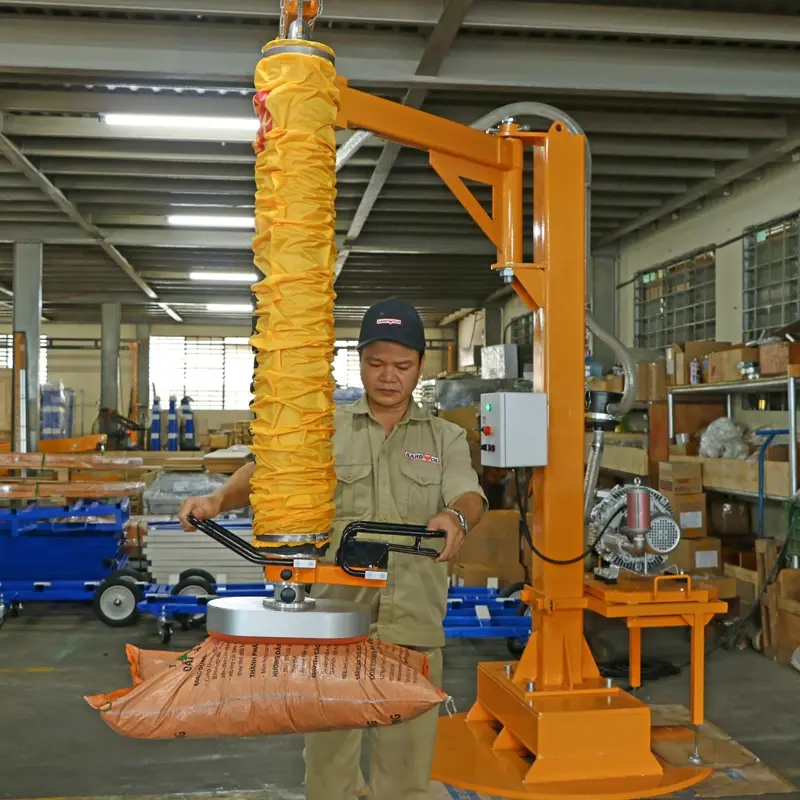
FULL WORKFLOW PREVIEW BAG LIFTER GRIP
Operator using Aardwolf vacuum lifting system to lift orange bag

Focus Area: Suspended Woven Bag fully visible at operator's lower reach.

Zero Load Strain

Figure 1: Real-world operational overview showing the crane arm, vacuum tube cylinder, operator positioning, and the orange sack at the bottom held securely without slipping.

This is especially common in Southeast Asian manufacturing environments, where warehouses often handle industrial sacks alongside packaging materials within the same workflow.

That is where vacuum lifting systems begin to offer real operational value.

02 / The Real Value of a Vacuum Tube Lifter Is Not Just “Lifting Heavier Loads”

Many people first see a vacuum tube lifter as simply a tool that makes lifting easier.

In practice, its biggest advantage is reducing physical strain during repetitive handling tasks.

With a vacuum lifting system supporting the load, operators no longer carry the full weight of each sack manually. Instead, they primarily guide movement and positioning.

At first glance, that may seem like a small difference.

But in repetitive bag handling operations, it directly affects:

handling consistency
palletizing accuracy
operator fatigue
workflow smoothness

In real warehouse environments, speed alone is not the most important factor.

Consistency is.

Many facilities only recognize the issue when throughput becomes unstable near the end of a shift, or when palletizing quality gradually declines throughout the day.

That is why many companies now see vacuum tube lifters for bags not simply as lifting equipment, but as part of a broader operational efficiency strategy.

03 / Why Warehouses Are Changing the Way They Choose Bag Handling Systems

One of the most common mistakes when selecting a bag handling system is focusing only on lifting capacity.

In reality, two warehouses handling the same 25 kg bags may require completely different lifting solutions.

A facility with narrow aisles, changing pallet heights, and high handling frequency faces very different operational challenges compared to a fixed production environment.

The performance of a vacuum tube lifter depends on much more than lifting force alone. It also depends on:

workspace layout
pallet positioning
bag surface characteristics
crane reach
operator movement during repetitive lifting cycles

This is the direction Aardwolf has chosen to focus on.

04 / Aardwolf’s Approach to Vacuum Tube Lifting

Rather than treating a vacuum tube lifter as a fixed product with standard configurations, Aardwolf approaches lifting from a workflow perspective.

That thinking led to the development of:

Aardwolf Innovation Focus

Design Your Own Vacuum Tube Lifter

The concept is straightforward: every warehouse operates differently, so lifting systems should be configured around real operational conditions.

Users can customize:

crane type
lifting capacity
vacuum suction head
workspace setup
bag handling applications
operating environment
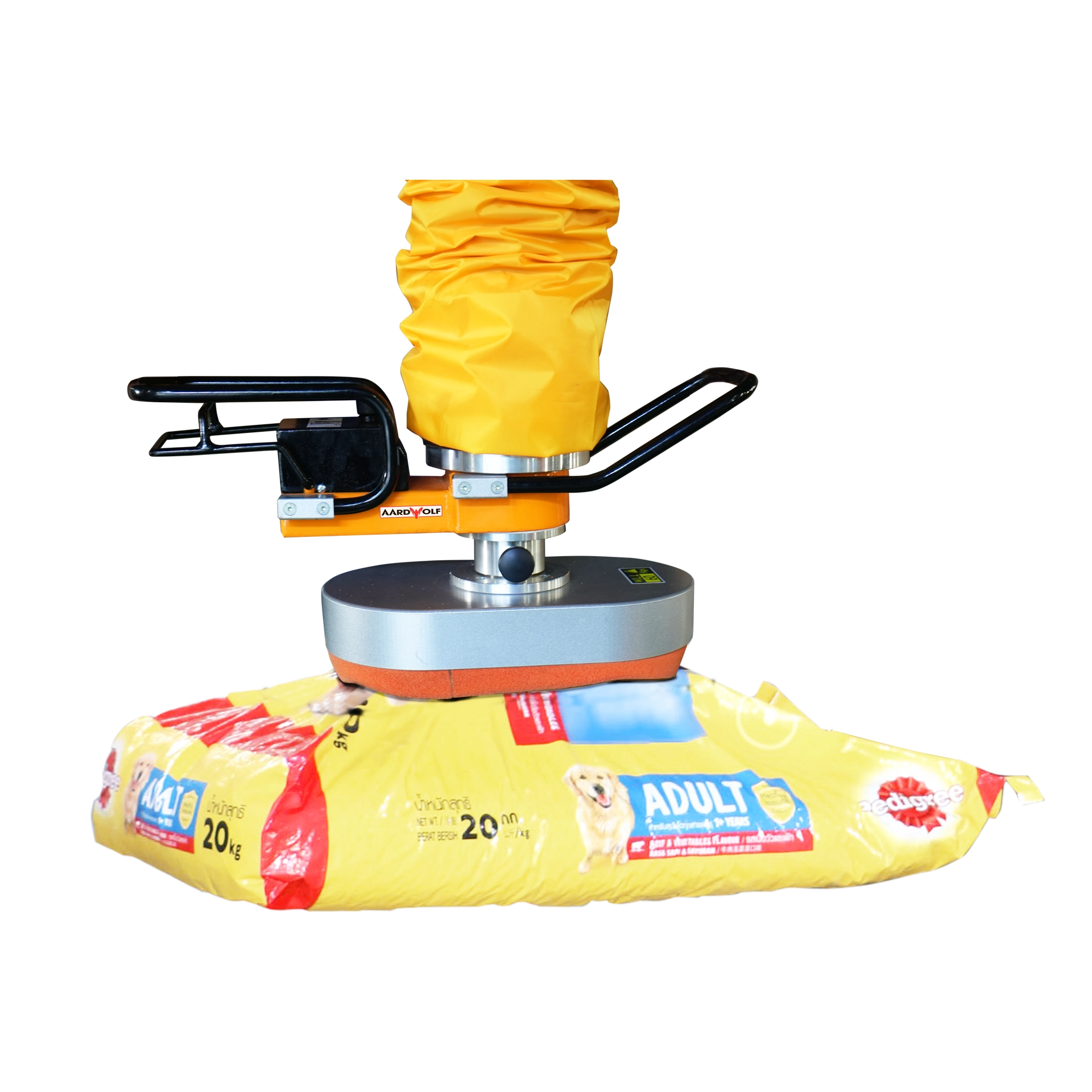
Aardwolf Vacuum Tube Lifter detailed suction head lifting yellow bag
Detail View: Suction Head

Figure 2: Close-up of the robust suction head interface designed by Aardwolf, delivering high negative pressure on porous packaging.

At first, this may sound like simple product customization.

But in repetitive bag handling environments, workflow-fit lifting systems can significantly improve operational stability.

For example:

1

warehouses with narrow working spaces require different crane movement than open palletizing areas

2

facilities with varying pallet heights need different handling flexibility

3

high-frequency bag handling lines often prioritize smooth operator movement over higher lifting capacity

In many cases, optimizing operator movement is more important than simply increasing lifting power.

05 / Modern Warehouses Are Not Only Optimizing Material Flow — They Are Optimizing Human Movement

In the past, ergonomics was mostly discussed as a workplace safety issue.

Today, many operations managers see it as part of long-term productivity planning.

When operators experience less fatigue:

movements stay more consistent
handling speed becomes more stable
palletizing accuracy improves
workflow interruptions decrease

In other words, modern warehouses are no longer focused only on moving products efficiently.

They are also focused on improving how people move within the workflow itself.

And that may be the biggest reason why vacuum tube lifters for bags are becoming increasingly important in modern warehouse material handling.

Not because the bags are too heavy.
But because modern operations demand consistency at scale.


Share article

The Latest From the Blog

Article Image
Blog

Worker Safety First: The Critical Importance of Lifting Clamp Design

A small deviation in the clamp mechanism can lead to load slippage, edge chipping, or even complete slab breakage during lifting. Aardwolf examines the difference between imitation swing-jaw designs and its patented rigid guide rail mechanism — a key factor in maintaining full contact under real working loads. This is not merely a difference in mechanical design, but a safety standard that determines equipment reliability and service life in the natural stone industry.
04/06/2026
Article Image
Blog

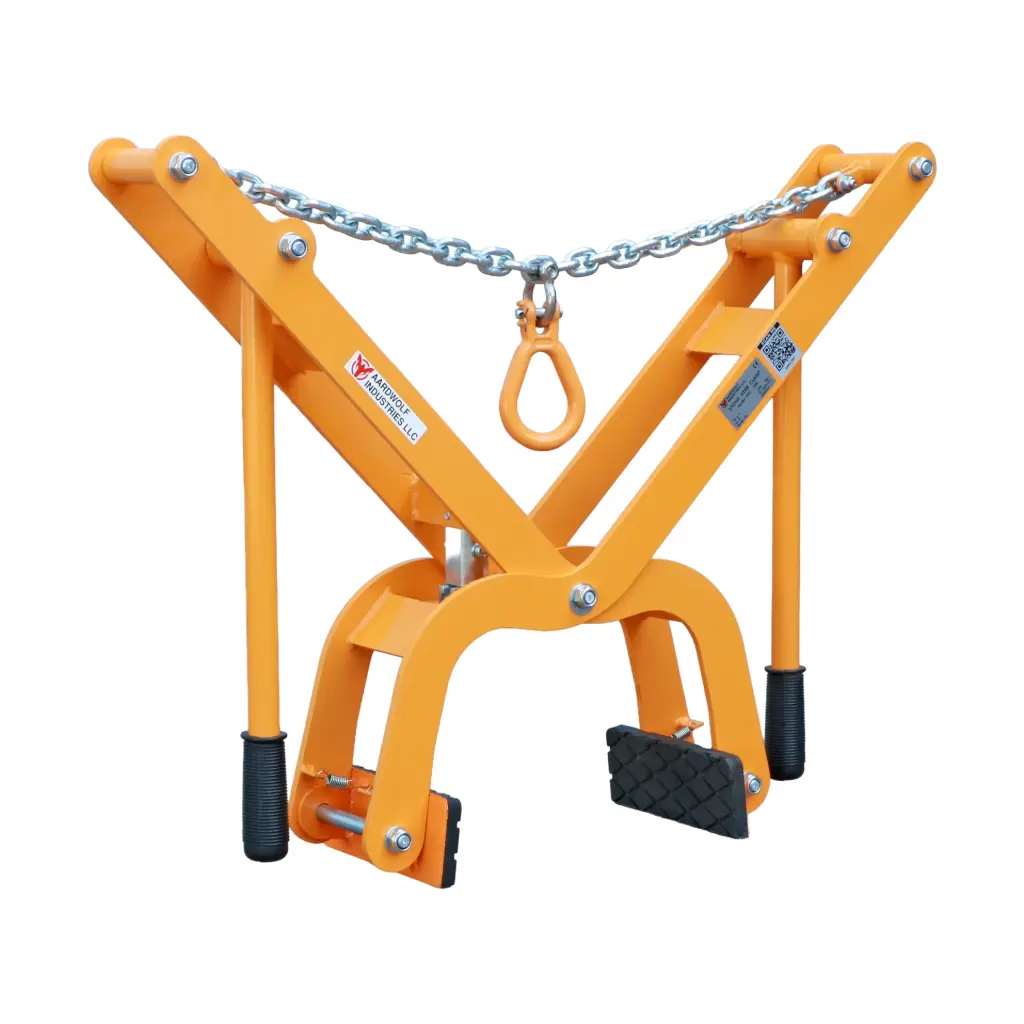
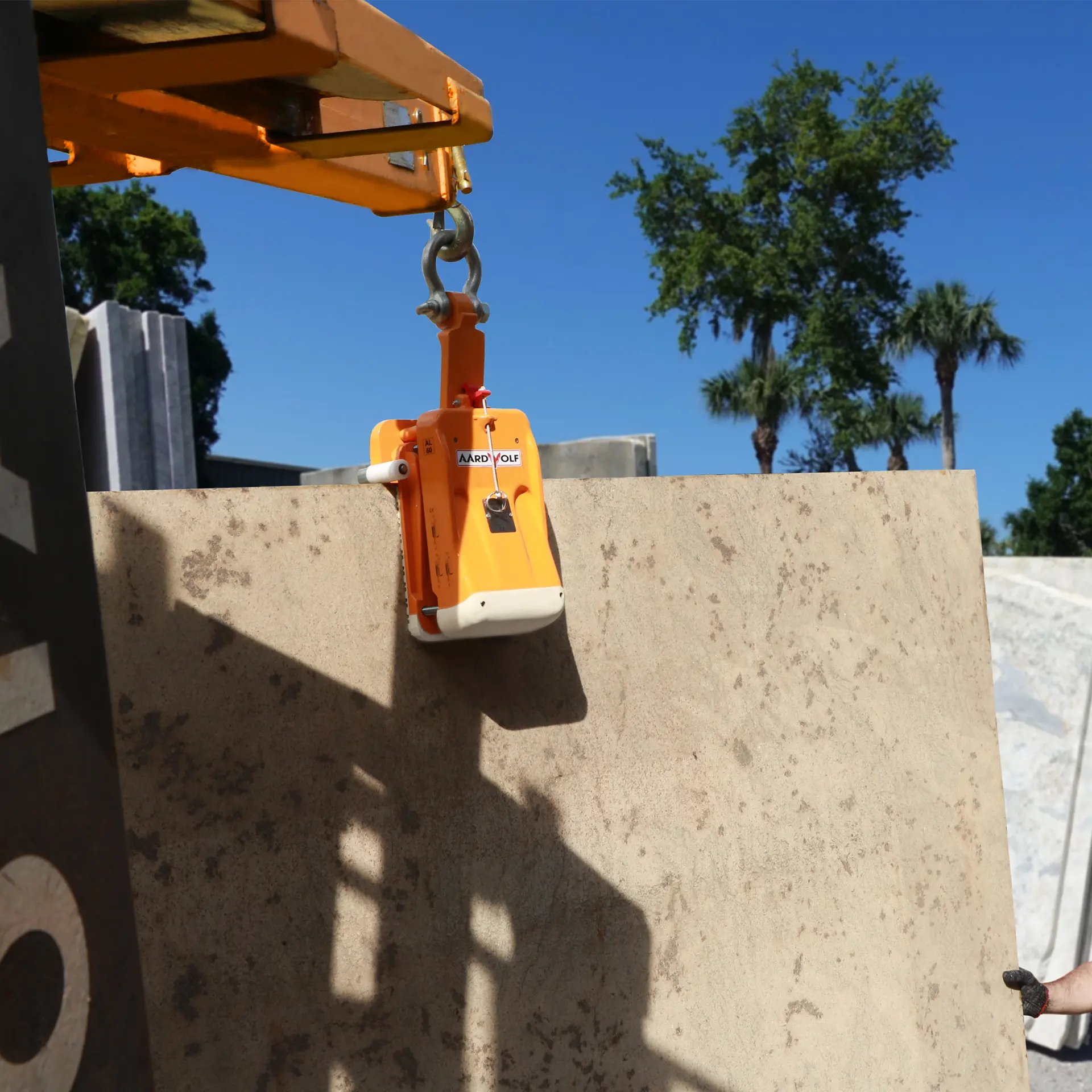
True Aardwolf Lifters vs Imitation Swing-Jaw Clamps

Genuine Aardwolf lifters use a sliding-jaw design for safer, more stable lifting of stone and glass sheets. The jaws stay fully engaged with the surface, reducing the risk of slipping and edge damage.
04/06/2026
Article Image
Blog

Material Handling Equipment Philippines: 5 Ways to Improve Efficiency, Safety, and Productivity

Efficient material handling is essential for businesses across the Philippines. Learn how the right lifting equipment can improve productivity, reduce material damage, and enhance workplace safety.
04/06/2026
Article Image
Blog

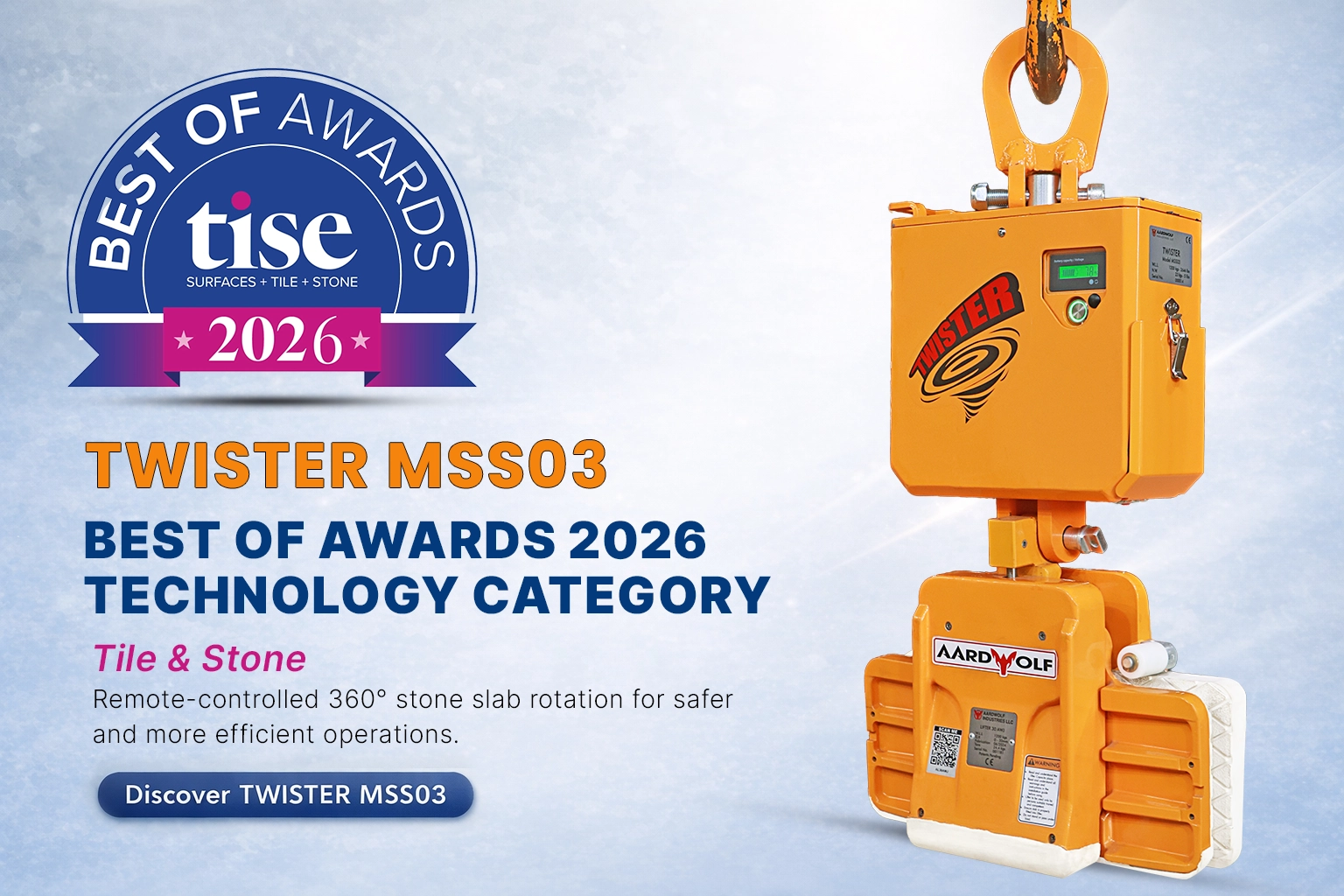
Twister MSS03 Wins Best of Awards 2026 at TISE

Aardwolf’s Twister MSS03 was named the Best of Tise 2026 Awards – Technology Category winner at The International Surface Event (TISE), a leading international trade show for the stone, surface, and flooring industries.
04/06/2026
Article Image
Blog

Sidewalk Construction: Where small deviations define long-term performance

The same granite, the same concrete mix, can produce sidewalks that last many years in one location and fail in just a few years in another. The difference often lies in construction quality, and more specifically, in the precision of curb installation. A curb is not simply a stone block or a precast concrete element. It serves as a reference line that defines.
28/01/2026
Article Image
Blog

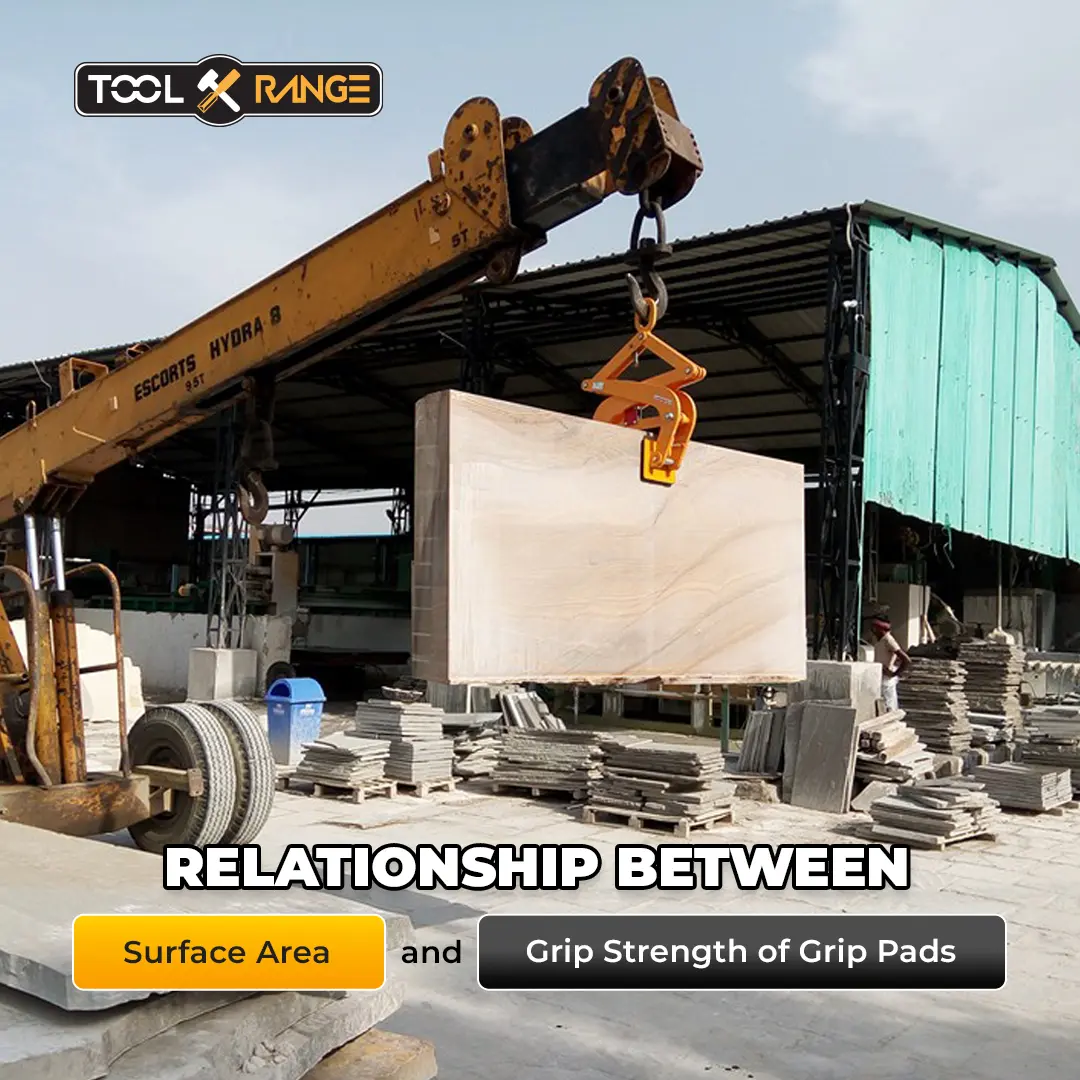
Relationship between surface area and grip strength of grip pads

Surface area significantly impacts grip strength by increasing friction and contact, allowing for better load distribution, reduced pressure, and enhanced control, meaning a larger contact area generally leads to better grip
09/04/2026
Load More