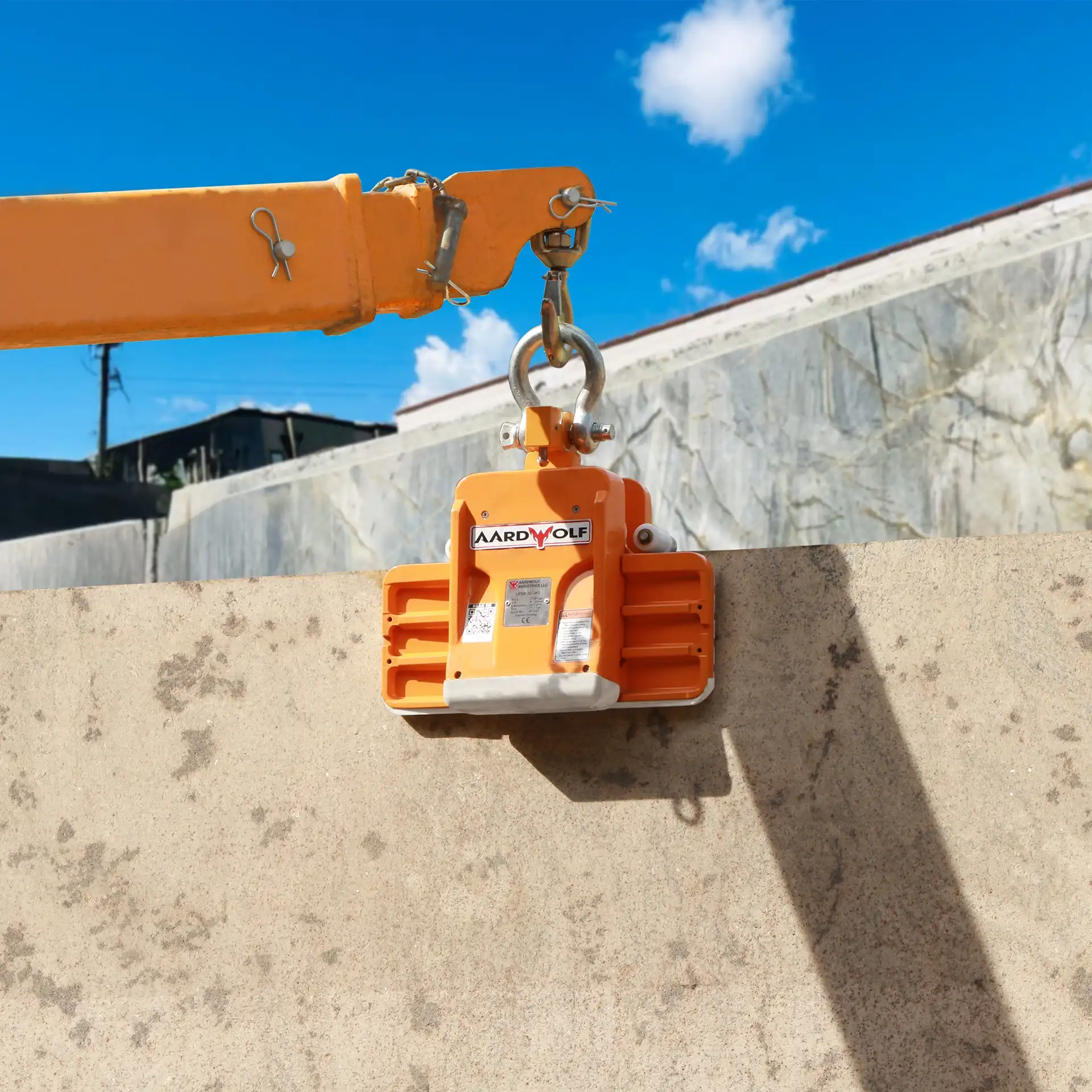
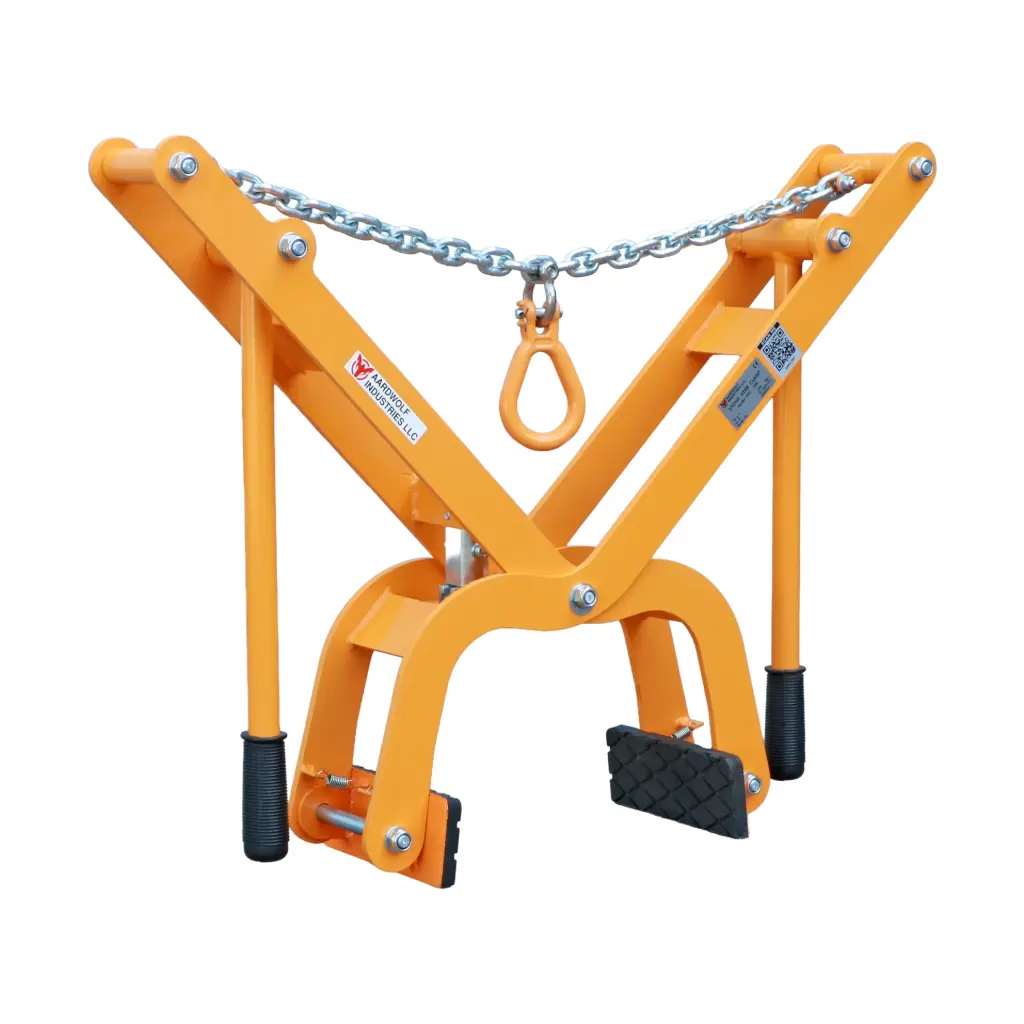
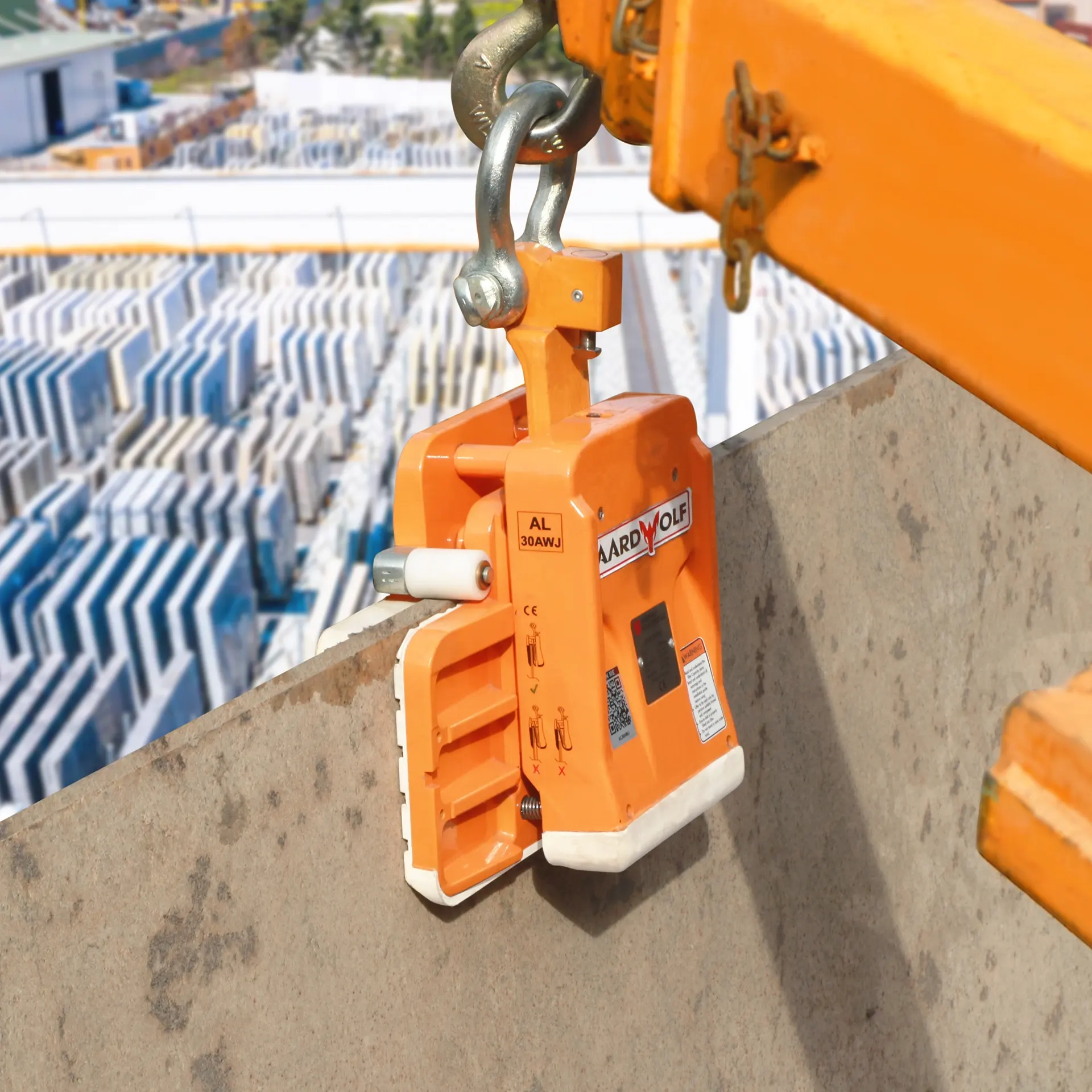
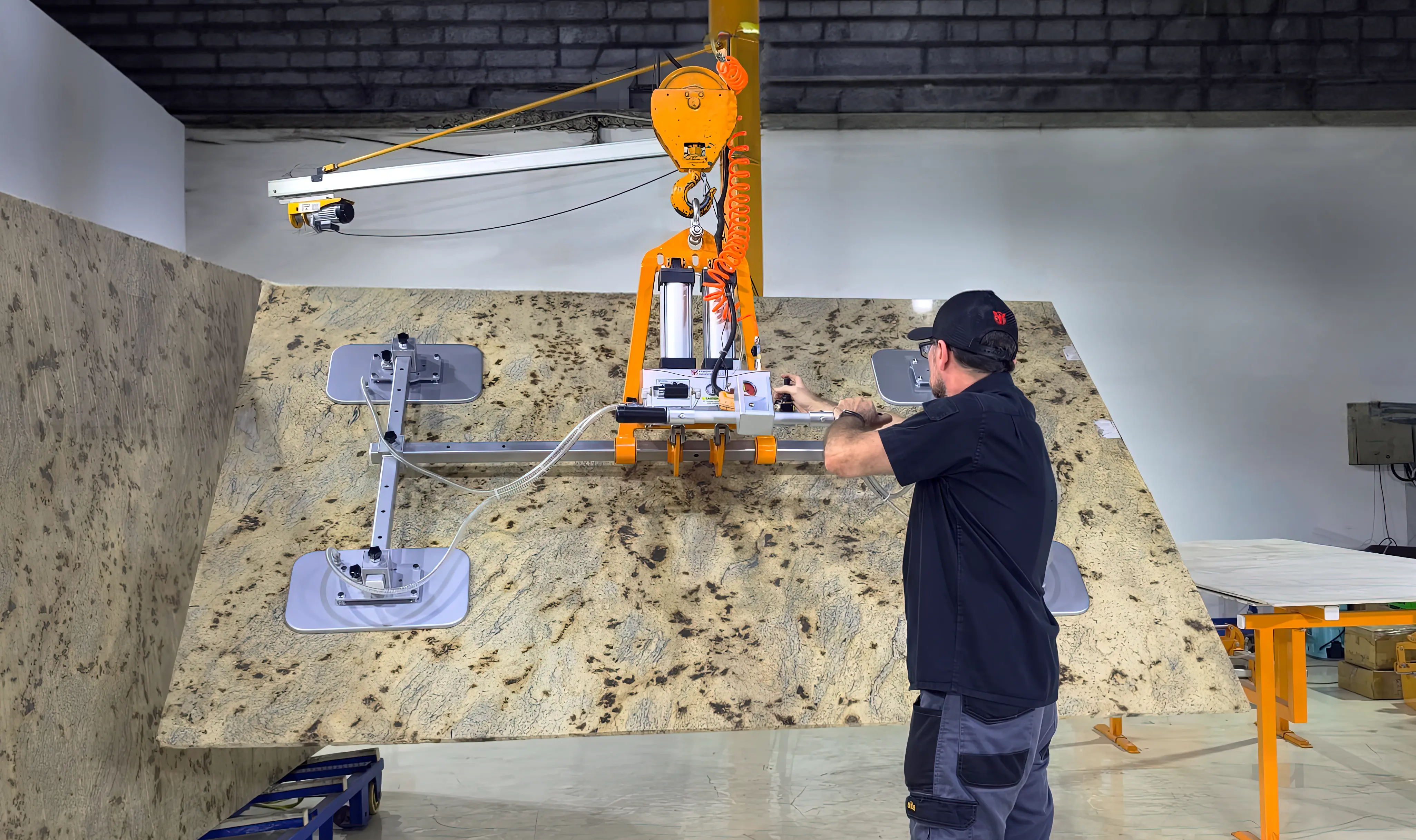
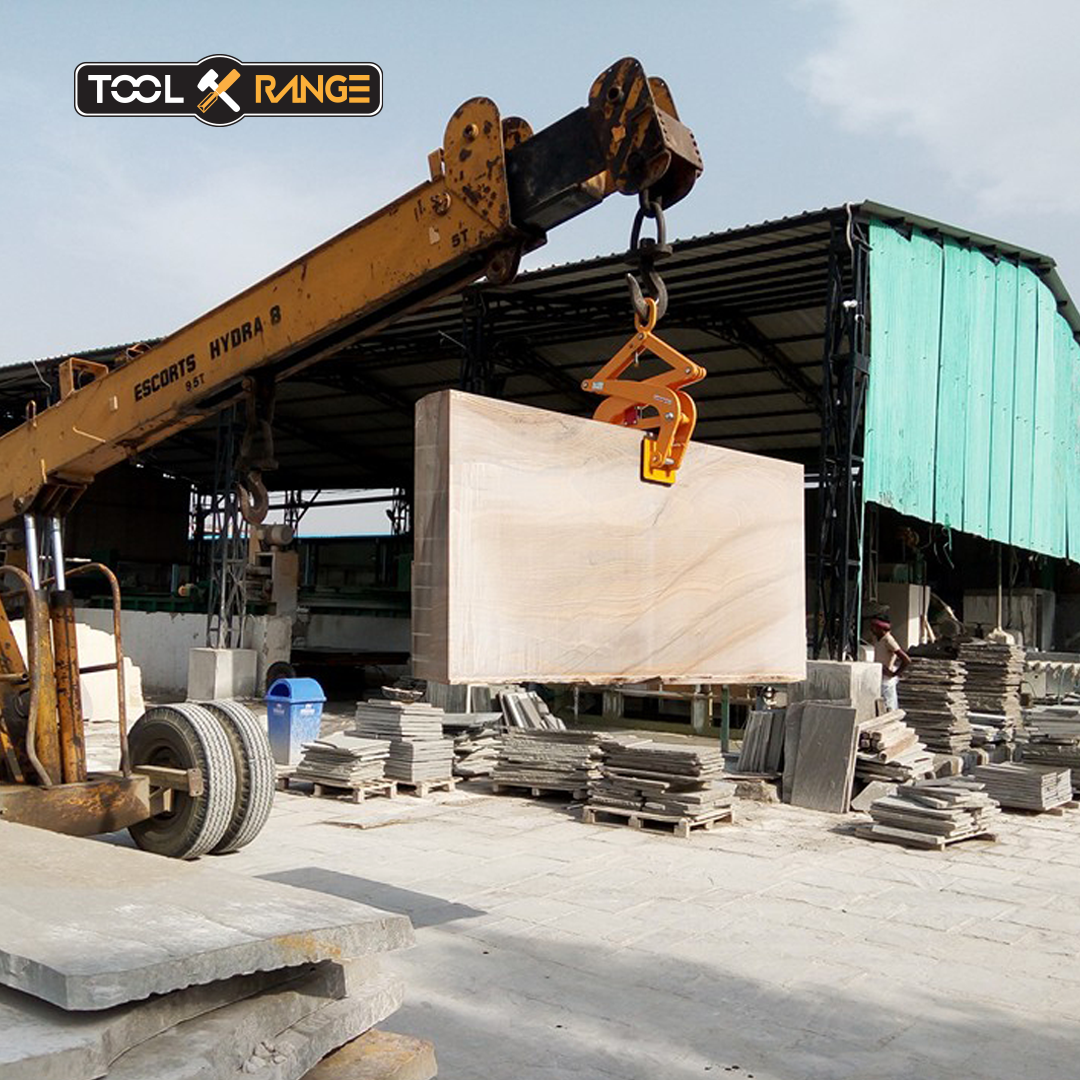
Surface area significantly impacts grip strength by increasing friction and contact, allowing for better load distribution, reduced pressure, and enhanced control, meaning a larger contact area generally leads to better grip, although factors like surface texture and material properties are also crucial. While the basic friction formula (𝐹=𝜇𝑁) often ignores area, in real-world grip (like grip pads on Aardwolf scissor clamps), more surface area means more points for friction to act, preventing slippage more effectively, especially for heavier loads or awkward shapes. Rougher surfaces inherently create more friction, but a larger area on even a smooth surface still offers more total grip. In essence, while fundamental physics might simplify friction, in practical grip situations, a larger contact surface provides more friction and better force distribution, leading to stronger, more stable grip.
How Surface Area Helps Grip
Increased Friction: More contact area provides more sites for microscopic interlocking and adhesion between skin and object, creating a greater total frictional force to resist sliding.
Better Pressure Distribution: A larger surface area spreads the applied grip force over a wider space, reducing localized pressure that could cause discomfort, pain, or skin failure (like pinching).
Enhanced Control (Moment Generation): Spreading contact points allows the hand to generate larger moments (rotational forces), improving control and stability when manipulating objects.
Material Deformation: For materials like rubber (tires), a larger contact patch allows for greater deformation and adhesion, contributing significantly to grip beyond simple friction.
Relationship between grip patterns on grip pads and grip strength of grip pads
While surface area determines how much of the load is contacted, grip patterns define how effectively that contact generates friction. On scissor-type lifting clamps, thread patterns on rubber or polyurethane grip pads are essential for maintaining a secure, anti-slip hold on stone blocks and slabs during lifting, handling, and transportation.
Grip patterns modify the interaction between the pad and the stone surface by increasing effective surface roughness and controlling how force is transferred under load. This becomes particularly important when handling polished, wet, or dusty stone surfaces, where flat, smooth pads alone may not provide sufficient resistance to slipping.
How Grip Patterns Helps Grip
Enhanced Friction: The grip patterns increases the contact area's effective roughness, which is essential for generating the necessary friction to hold a heavy, polished, or wet granite slab securely. Without these patterns, the flat, smooth rubber or polyurethane might experience reduced friction, increasing the risk of the slab slipping.
Safety and Stability: The patterns are designed to maximize the grip as the weight of the slab increases, a mechanism inherent to scissor clamps. This gravity-assisted clamping action, combined with the high friction of the pad, ensures stability and minimizes the risk of accidents or damage during the lifting process.
Damage Prevention: The polyurethane rubber material is specifically engineered to provide a strong grip without leaving marks, scratches, or other damage on the delicate or polished surface of the granite.
Moisture Dispersion: The grooves and channels created by the thread patterns can help displace any moisture or minor debris that might be present on the stone surface, allowing for more consistent contact between the polyurethane and the stone and maintaining grip effectiveness.
Wear Resistance: Specific pattern designs can contribute to the pad's overall durability and wear resistance, allowing for continuous, long-term use in demanding industrial environments.
Summary
In summary, the thread pattern is a deliberate design choice to improve the mechanical performance and safety of the lifting clamps, ensuring reliable handling of expensive and heavy stone. The design of the pads and the scissor-clamp mechanism work in tandem. As the weight of the slab increases, the clamp's jaws exert proportionally more force, driving the grip patterns more firmly against the granite surface to create a stronger, safer hold.
 0
0