Is Your Material Handling Process Operating at Peak Efficiency?
Singapore's construction, manufacturing, logistics, and infrastructure sectors continue to prioritize productivity, operational efficiency, and workplace safety. As businesses operate in increasingly competitive environments with limited space and high labor costs, efficient material handling has become more important than ever.
However, material handling is often viewed as a routine operational task rather than a strategic component of business performance. In reality, inefficient lifting and handling processes can result in damaged materials, project delays, increased labor requirements, operational bottlenecks, and workplace safety risks.
Whether handling stone slabs, glass panels, packaged goods, landscape blocks, or industrial materials, every movement directly impacts productivity, cost efficiency, and operational reliability.
Why Material Handling Equipment Matters
Effective material handling goes beyond simply moving materials from one location to another. It plays a critical role in improving workflow efficiency, protecting valuable materials, supporting workplace safety, and maximizing operational productivity.
As industries across Singapore continue to modernize, businesses are increasingly investing in material handling equipment to reduce manual handling, improve precision, and create safer working environments.
By implementing the right lifting solutions, organizations can improve operational performance while reducing unnecessary risks and costs.
Below are five key considerations for businesses looking to optimize their material handling operations.
1. Choose Equipment That Matches the Material Being Handled
Different materials require different handling methods.
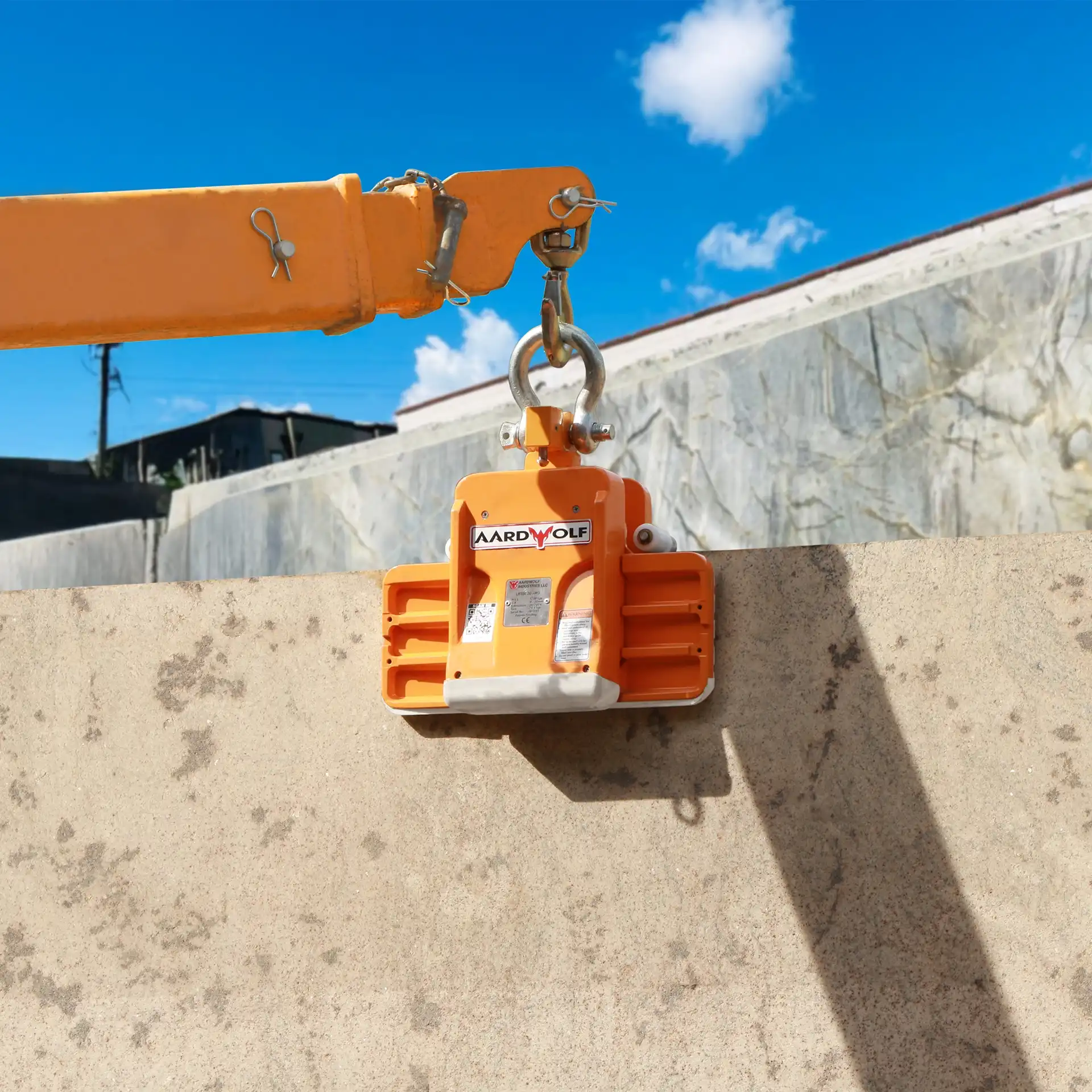
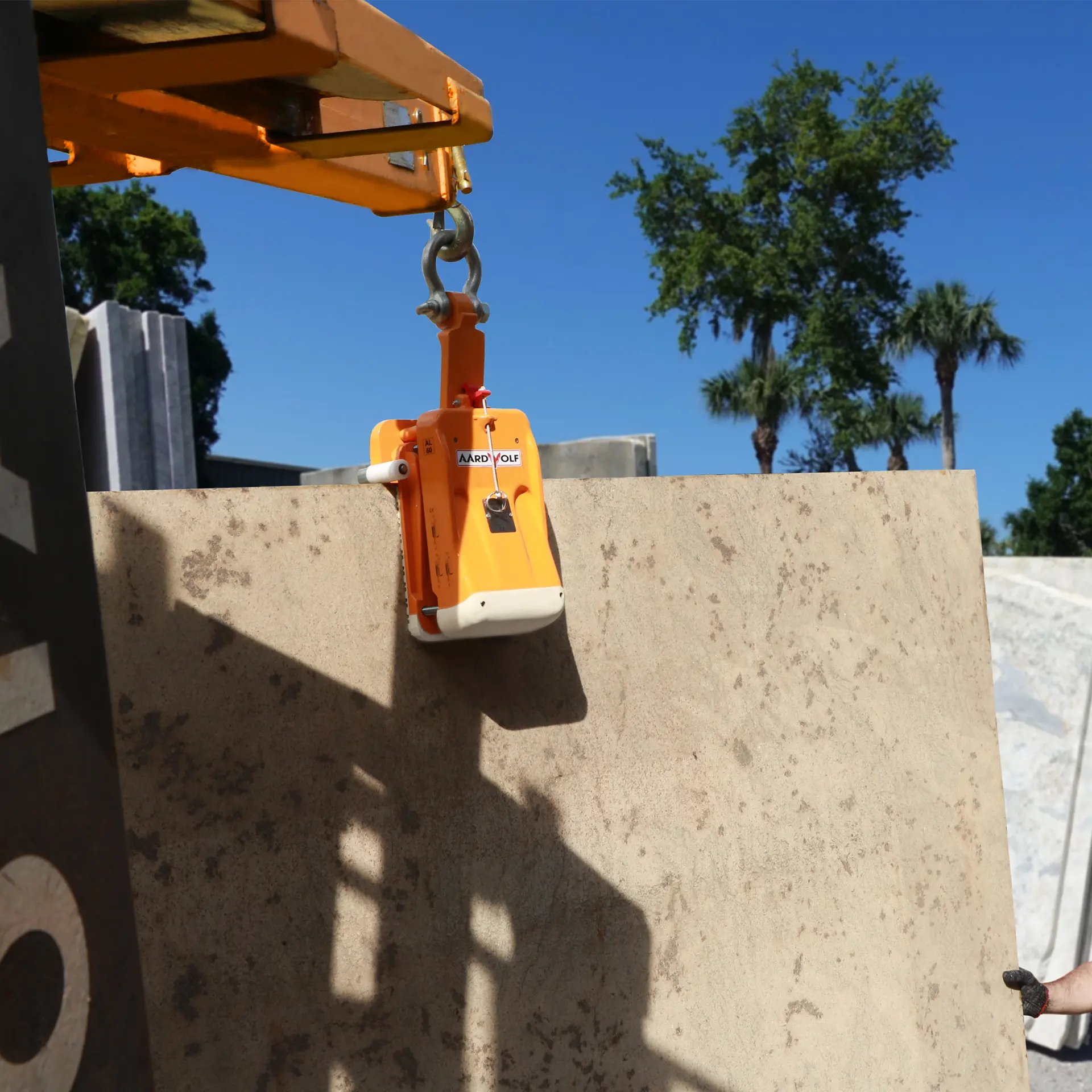
Granite and marble slabs require secure lifting points to prevent edge damage and cracking. Glass panels demand precise lifting systems that can safely grip delicate surfaces without causing scratches or breakage. Cartons, boxes, bags, and packaged goods require ergonomic handling solutions that improve efficiency while reducing physical strain on workers.
Using equipment designed specifically for the application helps improve productivity, reduce material damage, and maintain safer handling practices.
The right solution should always be selected based on the material's weight, dimensions, surface condition, and handling requirements.
2. Control Lifting Forces and Contact Points
One of the most important aspects of safe material handling is ensuring proper load distribution.
When lifting delicate, oversized, or high-value materials, uneven lifting forces can create stress points that increase the risk of cracking, deformation, instability, or surface damage. Poor load control can also increase safety risks during transportation and installation.
Modern lifting equipment is designed to distribute loads evenly while maintaining secure contact with the material. This improves lifting stability, handling precision, and overall workplace safety.
By controlling lifting forces and contact points, businesses can minimize material damage and achieve more reliable operational outcomes.
3. Prioritize Long-Term Efficiency Over Initial Cost
Many equipment purchasing decisions are driven primarily by upfront cost. While budget considerations are important, long-term performance often has a much greater impact on operational profitability.
Factors such as equipment durability, maintenance requirements, reliability, and productivity gains should all be considered when evaluating material handling solutions.
Investing in high-quality lifting equipment can help reduce downtime, lower maintenance costs, improve operational efficiency, and provide a stronger return on investment over the equipment's lifecycle.
For businesses focused on sustainable growth, long-term value is often more important than short-term savings.
4. Reduce Dependence on Manual Handling
Singapore's focus on workplace productivity and safety has encouraged many businesses to reduce manual handling wherever possible.
Manual lifting can contribute to worker fatigue, inconsistent performance, lower productivity, and increased injury risks. Repetitive handling tasks can also affect operational efficiency and employee wellbeing.
Mechanical lifting solutions help reduce physical workloads while improving consistency, precision, and productivity. By minimizing manual intervention, businesses can improve workplace safety while maintaining reliable and efficient operations.
Reducing manual handling is not simply about automation—it is about enabling employees to work smarter, safer, and more efficiently.
5. Work with an Experienced Equipment Provider
Selecting the right material handling equipment is only one part of a successful operational strategy.
An experienced supplier can help businesses assess their requirements, recommend appropriate lifting solutions, and provide technical support throughout implementation and operation.
Beyond supplying equipment, knowledgeable providers help businesses optimize workflows, improve safety standards, and maximize equipment performance.
A trusted equipment partner can help organizations:
- Select equipment based on specific applications
- Improve operational efficiency
- Enhance workplace safety
- Reduce downtime
- Accelerate implementation and training
Working with an experienced provider helps ensure that equipment investments deliver measurable operational benefits.
Benefits of Material Handling Equipment
Improved Productivity
Efficient lifting and transportation systems help streamline workflows, reduce handling times, and increase operational output.
Reduced Material Damage
Specialized lifting equipment helps protect valuable materials from cracks, scratches, impacts, and other handling-related damage.
Enhanced Workplace Safety
Mechanical lifting solutions reduce manual lifting requirements and support safer working environments.
Lower Operating Costs
Improved efficiency, reduced downtime, and lower maintenance requirements contribute to lower long-term operating expenses.
Greater Operational Consistency
Standardized lifting and handling processes improve reliability and help maintain consistent operational performance.
Common Material Handling Applications
Modern material handling equipment supports a wide range of industries throughout Singapore.
| Application | Recommended Equipment |
| Granite, Marble & Stone Slabs | Slab Lifters, Vacuum Lifters |
| Glass Panels, Windows & Façades | Glass Lifters, Vacuum Lifters, Glass Glazing Robot Vacuum Lifters |
| Cartons, Boxes & Packaging | Vacuum Tube Lifters |
| Bags, Sacks & Bulk Packaging | Vacuum Tube Lifters |
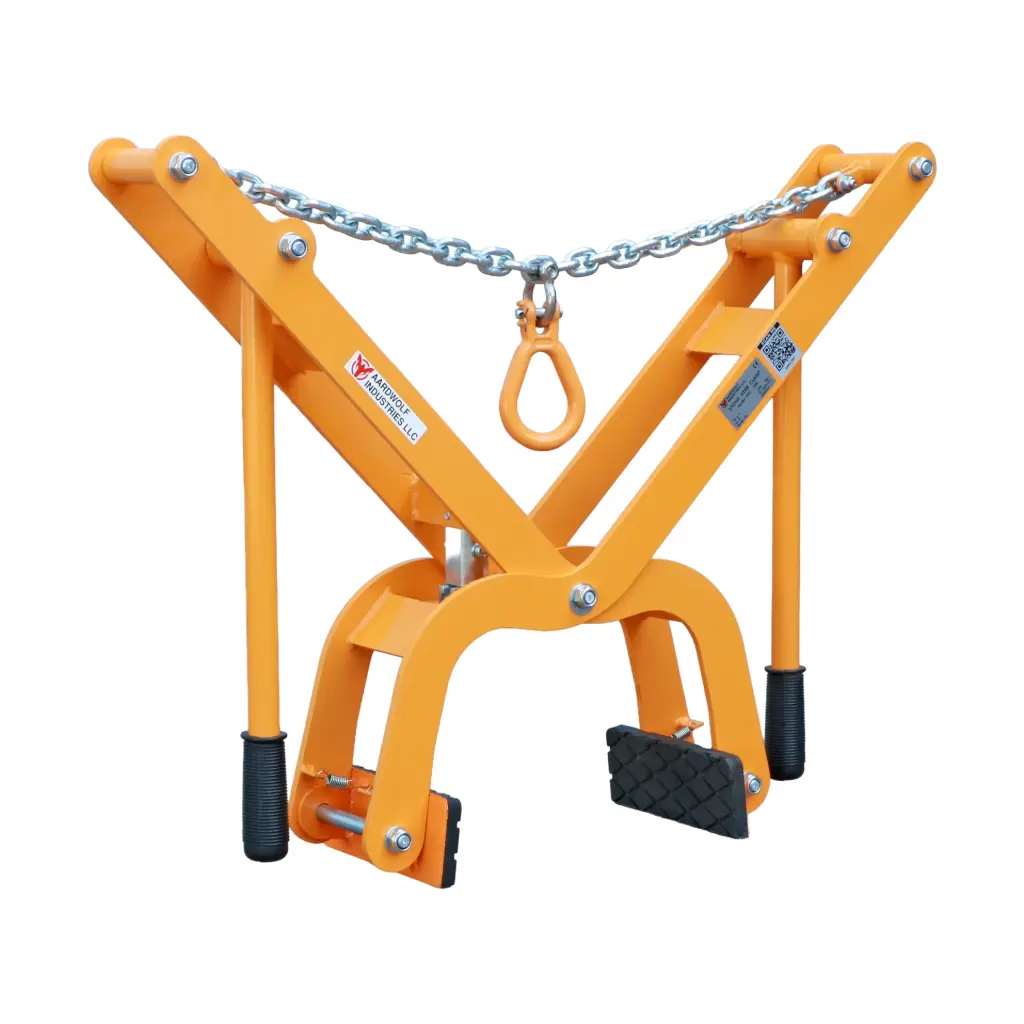
| Landscape Blocks & Concrete Products | Versa Block Clamps, Horizontal Lifting Clamps, Scissor Clamp Lifters |
| Road Barriers & Traffic Infrastructure | Barrier Lifters |
| Stone Kerbs & Concrete Kerbs | Stone Kerb Clamps |
| Pipes & Cylindrical Materials | Pipe & Bar Lifters |
| Drums & Barrels | Drum Lifters |
| Palletized Loads & Industrial Materials | Pallet Crane Forks, Forklift Booms |
Selecting equipment that matches the application helps maximize productivity, improve workplace safety, and reduce material damage.
Material Handling Solutions in Singapore
As businesses across Singapore continue to focus on productivity, operational efficiency, and workplace safety, the demand for reliable material handling equipment continues to grow.
Toolrange Asia supplies professional lifting and material handling solutions for construction, manufacturing, logistics, warehousing, stone processing, glass handling, and infrastructure applications. From slab lifters and vacuum lifters to glass lifting equipment and vacuum tube lifters, our solutions are designed to improve safety, efficiency, and operational performance.
Whether handling stone, glass, packaged goods, landscape products, or industrial materials, selecting the right equipment can make a significant difference in day-to-day operations.
Explore our range of material handling solutions:
https://toolrange.asia/sg/
Frequently Asked Questions
What is material handling equipment?
Material handling equipment refers to machinery and lifting systems used to lift, move, transport, position, and store materials within industrial, construction, manufacturing, logistics, and warehousing environments.
What are the benefits of using material handling equipment?
Material handling equipment improves productivity, reduces material damage, enhances workplace safety, lowers labor requirements, and increases operational efficiency.
What types of material handling equipment are commonly used in Singapore?
Common solutions include slab lifters, glass lifters, vacuum lifters, vacuum tube lifters, lifting clamps, forklift booms, pallet crane forks, and other industrial lifting equipment.
How does material handling equipment improve workplace safety?
By reducing manual lifting and improving load control, material handling equipment helps minimize worker fatigue and lower the risk of workplace injuries.
Which industries use material handling equipment in Singapore?
Material handling equipment is widely used in construction, manufacturing, logistics, warehousing, infrastructure projects, stone fabrication, glass installation, and industrial production facilities.
How do I choose the right material handling equipment?
Equipment selection should be based on material type, load weight, handling frequency, workspace conditions, safety requirements, and operational objectives.
Conclusion
Efficient material handling is a critical component of operational success for businesses across Singapore. By investing in the right material handling equipment, organizations can improve productivity, reduce material damage, enhance workplace safety, and lower long-term operating costs.
By selecting equipment that matches the application, reducing reliance on manual handling, and partnering with experienced solution providers, businesses can build safer, more efficient, and more sustainable operations.
As Singapore continues to prioritize productivity and innovation, effective material handling solutions remain one of the most practical investments for long-term business growth and operational excellence.
 0
0